
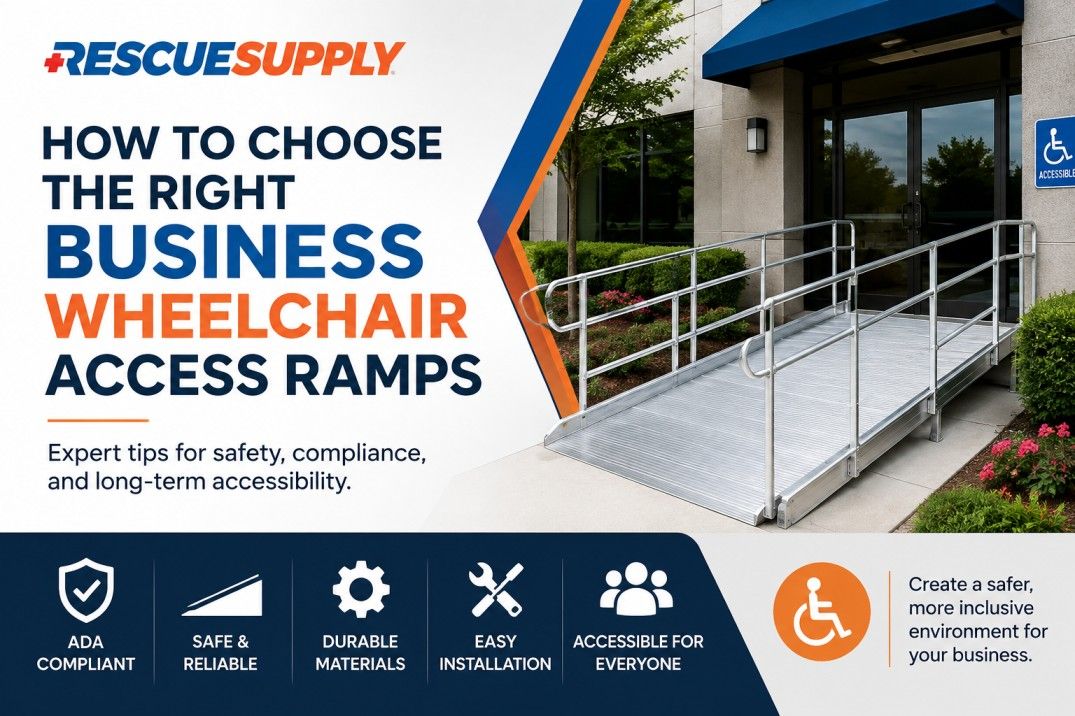
Accessibility is no longer just a legal requirement—it's an essential part of creating a welcoming and inclusive business. Whether you own a retail store, office building, restaurant, hotel, medical facility, or warehouse, making your property accessible benefits both your customers and your business reputation.
Choosing the right business wheelchair access ramps can seem overwhelming because there are many materials, designs, and regulations to consider. How do you know which option is best? What features really matter? And how can you ensure your investment lasts for years?
This guide explains everything you need to know about selecting the best wheelchair ramps for commercial properties, including important safety standards, materials, installation tips, and expert recommendations.
Why Business Wheelchair Access Ramps Matter
A wheelchair ramp does much more than help wheelchair users enter a building. It creates equal access for people using:
- Manual wheelchairs
- Power wheelchairs
- Walkers
- Mobility scooters
- Rollators
- Strollers
- Delivery carts
According to the Centers for Disease Control and Prevention (CDC), millions of adults in the United States live with mobility disabilities. Businesses that prioritize accessibility serve a wider audience while creating a more positive customer experience.
An accessible entrance also demonstrates that your company values inclusion and customer care.
Understanding ADA Requirements
Before purchasing a ramp, it's important to understand the Americans with Disabilities Act (ADA).
Although every property has unique requirements, ADA guidelines generally recommend:
- A slope ratio of 1:12 (one inch of rise for every 12 inches of ramp length)
- Minimum clear width of 36 inches
- Slip-resistant surface
- Handrails for longer ramps
- Stable landings at the top and bottom
- Proper edge protection
Always verify local building codes since municipal regulations may include additional requirements.
Types of Wheelchair Ramps for Commercial Properties
Not every business needs the same type of ramp. The right choice depends on traffic volume, building layout, and future expansion plans.
1. Modular Aluminum Ramps
These are among the most popular business wheelchair access ramps.
Benefits include:
- Rust resistant
- Lightweight
- Fast installation
- Low maintenance
- Expandable design
- Long lifespan
They're ideal for:
- Offices
- Schools
- Healthcare centers
- Retail stores
2. Permanent Concrete Ramps
Concrete ramps provide outstanding durability.
Advantages include:
- Extremely strong
- Excellent for heavy traffic
- Long service life
- Minimal movement
Best suited for:
- Government buildings
- Hospitals
- Large commercial properties
However, installation usually requires more time and higher construction costs.
3. Steel Wheelchair Ramps
Steel ramps offer exceptional strength and can support heavy equipment.
Pros:
- High weight capacity
- Durable construction
- Suitable for industrial settings
Cons:
- Can rust without proper coating
- Heavier than aluminum
- Requires ongoing maintenance
4. Portable Commercial Ramps
Portable ramps work well when permanent installation isn't practical.
Common uses include:
- Temporary entrances
- Event venues
- Construction sites
- Mobile businesses
While convenient, they typically aren't designed for high daily traffic.
Factors to Consider Before Buying
Choosing the best wheelchair ramps for commercial properties involves more than comparing prices.
Building Entrance Height
Measure the total vertical rise carefully.
Even a small measuring error can affect ADA compliance and user safety.
Expected Daily Traffic
Ask yourself:
- How many people will use the ramp every day?
- Will delivery carts also use it?
- Will mobility scooters frequently access the entrance?
Higher traffic generally requires stronger materials and wider ramps.
Weight Capacity
Commercial ramps often support:
- Electric wheelchairs
- Heavy-duty mobility scooters
- Medical transport chairs
- Maintenance equipment
Choose a ramp with an appropriate load rating.
Available Space
Some businesses have limited space.
Switchback ramps or modular designs can maximize accessibility without requiring excessive property modifications.
Weather Conditions
Businesses located in areas with rain, snow, or ice should prioritize:
- Slip-resistant surfaces
- Drainage features
- Corrosion-resistant materials
- Anti-slip traction
Weather-resistant construction helps reduce maintenance costs over time.
Choosing the Best Material
Each material offers different advantages.
For most businesses, aluminum provides the best balance between durability, cost, and ease of installation.
Safety Features You Should Never Ignore
Safety should always come before appearance.
Look for ramps that include:
- Non-slip walking surface
- ADA-compliant handrails
- Edge protection
- Proper drainage
- Smooth transitions
- High visibility edges
- Stable landing platforms
These features significantly reduce the risk of slips and falls.
Installation Considerations
Professional installation is recommended for most commercial projects.
Experienced installers can:
- Verify ADA compliance.
- Measure the correct slope.
- Ensure structural stability.
- Handle permits if required.
- Complete inspections.
Improper installation may create safety hazards and lead to costly repairs later.
Common Mistakes Businesses Make
Many property owners unintentionally make expensive mistakes.
Avoid these common issues:
- Buying based only on price
- Ignoring ADA guidelines
- Choosing ramps that are too narrow
- Underestimating future traffic
- Skipping professional installation
- Forgetting maintenance requirements
Taking time to plan can save thousands of dollars over the life of the ramp.
Real-Life Example
Imagine a local medical clinic that receives dozens of patients every day.
Initially, the clinic installed a portable ramp because it was inexpensive. Within a year, the ramp showed signs of wear due to constant wheelchair and scooter traffic.
The clinic later upgraded to a modular aluminum ramp with handrails and slip-resistant decking. Patients experienced easier access, maintenance costs decreased, and staff no longer needed to reposition the portable ramp daily.
The investment improved both safety and customer satisfaction.
Expert Tips for Choosing Business Wheelchair Access Ramps
Industry professionals often recommend these best practices:
- Plan for future accessibility needs.
- Invest in high-quality materials.
- Select ADA-compliant products.
- Consider long-term maintenance costs.
- Work with experienced accessibility specialists.
- Choose ramps from reputable manufacturers with warranties.
Remember, the cheapest option isn't always the most cost-effective over time.
Maintenance Tips
Even durable ramps require occasional inspection.
A simple maintenance checklist includes:
- Remove dirt and debris regularly.
- Check bolts and fasteners.
- Inspect handrails.
- Clean drainage areas.
- Repair damaged anti-slip surfaces.
- Look for corrosion or structural wear.
Routine maintenance extends the ramp's lifespan and helps maintain safety.
Future Trends in Commercial Accessibility
Commercial accessibility continues to evolve.
Some emerging trends include:
- Modular expansion systems
- Eco-friendly aluminum construction
- Enhanced anti-slip technologies
- Smart lighting for nighttime visibility
- Faster installation methods
- Improved weather-resistant coatings
Businesses investing today can benefit from products designed for long-term performance and changing accessibility needs.
Frequently Asked Questions
What is the best material for business wheelchair access ramps?
Aluminum is often considered the best option because it is lightweight, rust-resistant, durable, and requires very little maintenance.
Are commercial wheelchair ramps required to meet ADA standards?
Yes. Most commercial properties must comply with ADA accessibility guidelines. Local building codes may also apply, so always verify requirements before installation.
How wide should wheelchair ramps for commercial properties be?
ADA guidelines generally require a minimum clear width of 36 inches, though wider ramps are often recommended for high-traffic commercial environments.
Can modular ramps be expanded later?
Yes. One of the biggest advantages of modular aluminum systems is that they can often be extended or reconfigured if your business grows or accessibility needs change.
How long do commercial wheelchair ramps last?
A quality aluminum or concrete ramp can last for many years with proper installation and routine maintenance. Regular inspections help ensure continued safety and performance.
Conclusion
Selecting the right business wheelchair access ramps is an investment in safety, accessibility, and customer satisfaction. By understanding ADA requirements, evaluating your property's layout, choosing durable materials, and prioritizing essential safety features, you can confidently select the best wheelchair ramps for commercial properties.
Whether you're upgrading an existing entrance or planning a new commercial building, the right accessibility solution creates a more inclusive environment for employees, visitors, and customers alike. If you're ready to improve your property's accessibility, consult a trusted commercial ramp provider to assess your needs and recommend a compliant, long-lasting solution that supports your business for years to come.